The amla plant, known scientifically as Phyllanthus emblica or Emblica officinalis, is a small-to-medium deciduous tree native to tropical and southern Asia. It belongs to the family Phyllanthaceae.
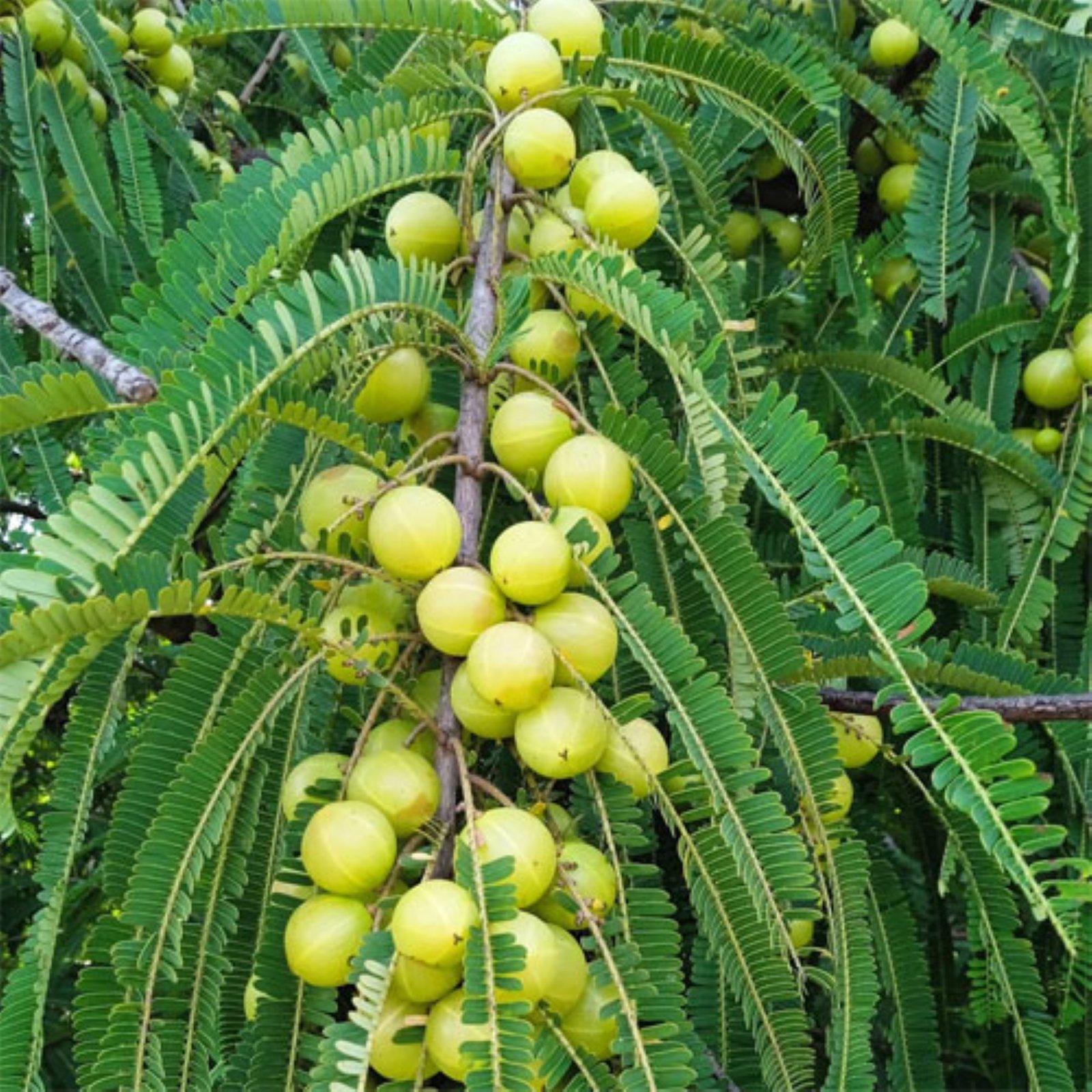
Amla Grows roughly 1 to 8 meters (up to 18 meters in some conditions) with a wide, spreading or upright canopy. Light green, simple, and closely set along fine branchlets, giving them a feathery or pinnate look.
Flowers, Small, greenish-yellow flowers blooming mainly around March–April.
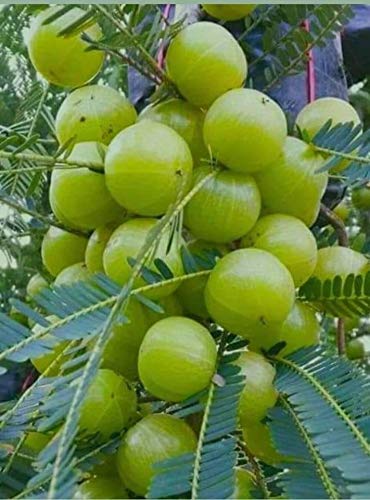
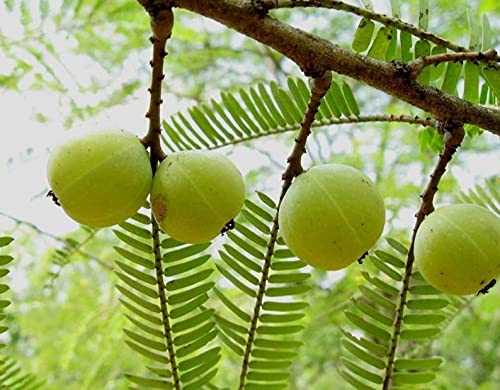
Fruit, nearly spherical, light greenish-yellow berries, roughly 1 to 3 cm in diameter, marked with six vertical stripes or furrows. The taste is a mix of sour, bitter, and astringent.
Prefers well-drained loamy to sandy soils (pH 6 to 8), though it tolerates various soil types.
Grafted or budded trees start flowering and bearing fruit in 3 to 4 years.
Amla is one of the richest natural sources of vitamin C and is packed with polyphenols (like gallic acid and emblicanins).
Ayurvedic Importance, Known as Amalaki in Sanskrit, it is a key ingredient in traditional formulations like Chyawanprash and is prized for its immune-boosting, anti-inflammatory, and digestive properties.
Consumed fresh, pickled, dried, or made into juices, candies, oils, and powders.
Plant Height : 1-4 Metre



Reviews
There are no reviews yet.